
Evaluating the true worth of 80,000 pennies requires moving beyond their simple face value. While straightforward conversion yields a specific dollar amount, the commercial considerations for such a quantity extend to material composition, potential numismatic value, and the practicalities of handling and transacting with physical currency. For anyone assessing a substantial collection of pennies, understanding these layers of value—and the inherent risks and market dynamics—is crucial for making informed decisions about their disposition.
Immediate Face Value and Practical Conversion
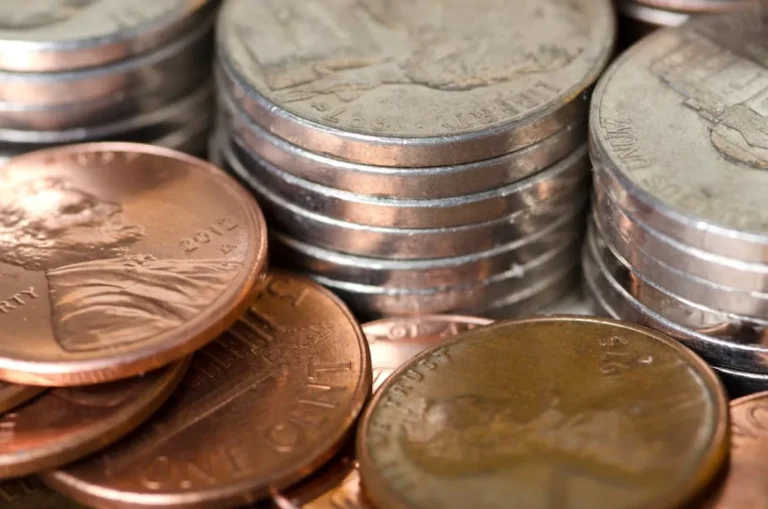
At their most basic, 80,000 pennies convert directly to $800. This calculation provides the baseline transactional value. However, the sheer volume and weight of 80,000 individual coins present immediate logistical challenges that diminish the simplicity of this face value. A single penny weighs approximately 2.5 grams (for copper-plated zinc cents post-1982) or 3.11 grams (for copper cents pre-1982, excluding 1943 steel cents). This means 80,000 pennies could weigh between 200 kg (440 lbs) and 248.8 kg (548 lbs), depending on their composition. This weight impacts transportation, storage, and the process of depositing them at a financial institution, often incurring fees or requiring specific arrangements.
Material Value: Copper, Zinc, and Melt Potential
The material composition of pennies significantly affects their intrinsic value beyond face value. Pennies minted before 1982 are primarily copper (95% copper, 5% zinc), while those minted from 1982 onwards are copper-plated zinc (97.5% zinc, 2.5% copper). The market price of these metals fluctuates, influencing the "melt value" of a penny.
- Pre-1982 Copper Pennies: When copper prices are high, the melt value of these pennies can exceed their face value of one cent. This has historically led to discussions about their potential as a commodity rather than just currency.
- Post-1982 Zinc Pennies: These pennies contain very little copper, and their zinc content generally means their melt value remains below face value. The cost of extracting the metals also typically outweighs their raw material worth.
Warning: Melting United States coins, including pennies, is illegal under 18 U.S. Code § 331 and § 333 if done with the intent of profit or for fraudulent purposes. The U.S. Mint explicitly prohibits the melting of pennies and nickels. Violators can face fines and imprisonment. Any consideration of material value must acknowledge these legal restrictions, making the practical realization of melt value unfeasible and unlawful for individuals.
Numismatic Potential: Identifying Collectible Pennies
The "market outlook" for 80,000 pennies is most favorable when considering their potential numismatic value. While the vast majority will be common, a large quantity increases the statistical probability of finding rare or valuable specimens. This aspect transforms the collection from mere currency into a potential treasure hunt for collectors. Key factors that contribute to a penny's numismatic value include:
- Key Dates: Specific years of mintage, especially those with low production numbers or high demand among collectors. Examples include 1909-S VDB, 1914-D, 1931-S, and 1955 Doubled Die Lincoln cents.
- Mint Marks: Pennies minted at specific facilities (e.g., "S" for San Francisco, "D" for Denver) can be rarer than those from Philadelphia (which often have no mint mark or a "P" for newer issues).
- Errors and Varieties: These include doubled dies, off-center strikes, re-punched mint marks, or other anomalies that occurred during the minting process. The 1943 copper penny and 1944 steel penny are famous examples of accidental errors that are highly valuable.
- Condition (Grade): The state of preservation significantly impacts value. Uncirculated coins or those with minimal wear fetch higher prices. Professional grading services assign a numerical grade (e.g., MS-65, AU-58) that helps standardize valuation.
For 80,000 pennies, a systematic sorting process is essential. This involves examining each coin for its date, mint mark, and any visible errors. Resources like coin collecting guides and online databases provide comprehensive lists of valuable dates and varieties, aiding in the identification process.
Storage, Handling, and Transactional Logistics
Managing 80,000 pennies involves substantial logistical considerations. Beyond the weight, the volume requires significant storage space. If rolled, 80,000 pennies would fill 2,000 rolls. This volume necessitates secure, dry storage to prevent environmental damage to the coins, which could diminish any potential numismatic value. Transporting such a quantity to a bank or a coin dealer requires appropriate containers and potentially multiple trips. Most banks will accept rolled coins, but some may charge a fee or require prior arrangement for such a large deposit. Coin-counting machines at financial institutions or grocery stores can process unrolled coins, but often levy a percentage-based service charge, directly reducing the realized face value.
Key Things to Watch: Market Trends and Collector Demand
Monitoring the broader market for both metals and numismatics is crucial for anyone holding a large quantity of pennies. Shifts in global commodity prices for copper and zinc, while not directly actionable due to melting restrictions, can indicate underlying pressures on currency composition and future policy decisions. More importantly, the collector market for pennies is dynamic. Trends in demand for specific series (e.g., Lincoln cents, Wheat cents) or types of errors can fluctuate. Staying informed through numismatic publications, reputable coin dealer insights, and auction results helps in understanding the current value landscape and identifying optimal times for potential sales of valuable finds. Additionally, any legislative discussions about the future of the penny (e.g., discontinuation) could impact both its practical utility and its long-term collector appeal.
Practical Outlook and Next Steps
Assessing 80,000 pennies combines the straightforward conversion of face value with the nuanced potential of numismatic discovery. The primary commercial utility lies in their $800 face value, but the significant effort required for handling and processing this volume must be factored in. The true upside, if any, will come from identifying and extracting individual coins with collector value. This requires a methodical approach, patience, and realistic expectations regarding the rarity of truly valuable pieces within a bulk collection.
For those with 80,000 pennies, the recommended steps involve:
- Initial Sorting: Separate pennies by decade or composition (pre-1982 copper vs. post-1982 zinc) to streamline further examination.
- Focused Examination: Systematically check for key dates, mint marks, and obvious errors using a magnifying glass and reliable coin guides.
- Professional Consultation: For any potentially valuable finds, seek opinions from reputable coin dealers or numismatists. Their expertise can confirm authenticity and provide accurate valuations.
- Consider Logistics: Plan how to deposit or sell the common pennies, accounting for weight, transportation, and potential fees.
Frequently Asked Questions
What is the approximate weight of 80,000 pennies?
80,000 pennies weigh between 200 kg (440 lbs) for mostly zinc cents and 248.8 kg (548 lbs) for mostly copper cents, due to differing metal compositions.
Is it legal to melt down pennies for their metal value?
No, it is illegal in the United States to melt down pennies (and nickels) for profit or fraudulent purposes. The U.S. Mint prohibits this activity, with penalties including fines and imprisonment.
Are all old pennies valuable?
No, most old pennies are not particularly valuable beyond their face value. While some older pennies, especially those with specific dates, mint marks, or errors, can be highly sought after by collectors, the vast majority are common and hold minimal numismatic worth.
How should I store a large quantity of pennies?
Store pennies in a dry, stable environment to prevent corrosion or damage. For common pennies, bank-approved coin rolls or heavy-duty bags are practical. For potentially valuable or sorted coins, use archival-safe coin holders or albums to protect their condition.