The prevalence of contactless payment methods has fundamentally altered consumer expectations across retail. For a major player like Walmart, its approach to "tap to pay"—specifically, Near Field Communication (NFC) technology—carries significant implications for market positioning, customer experience, and operational efficiency. Understanding Walmart's current stance, the broader market dynamics, and the associated risks and opportunities offers critical insights for businesses tracking retail payment innovation and consumer behavior.
Walmart's Approach to Contactless Payments
Walmart has historically pursued a proprietary payment strategy, prioritizing its in-house solution, Walmart Pay. Introduced in 2015, Walmart Pay operates via QR code scanning within the Walmart app, allowing customers to link existing payment methods (credit, debit, gift cards) for checkout. This system bypasses traditional NFC terminals for third-party mobile wallets like Apple Pay, Google Pay, and Samsung Pay.
While many Walmart point-of-sale (POS) terminals are equipped with NFC hardware, this functionality is often disabled or configured to prevent direct acceptance of external NFC-based mobile wallets. This strategic choice allows Walmart to retain control over the payment experience, collect transaction data directly, and potentially reduce interchange fees by steering customers toward debit or proprietary payment options linked within their app.
Key characteristic: Walmart's payment strategy centers on an app-based, QR-code system designed for direct customer engagement and data capture, rather than broad NFC compatibility with external mobile wallets.
The Broader Contactless Payment Market Outlook
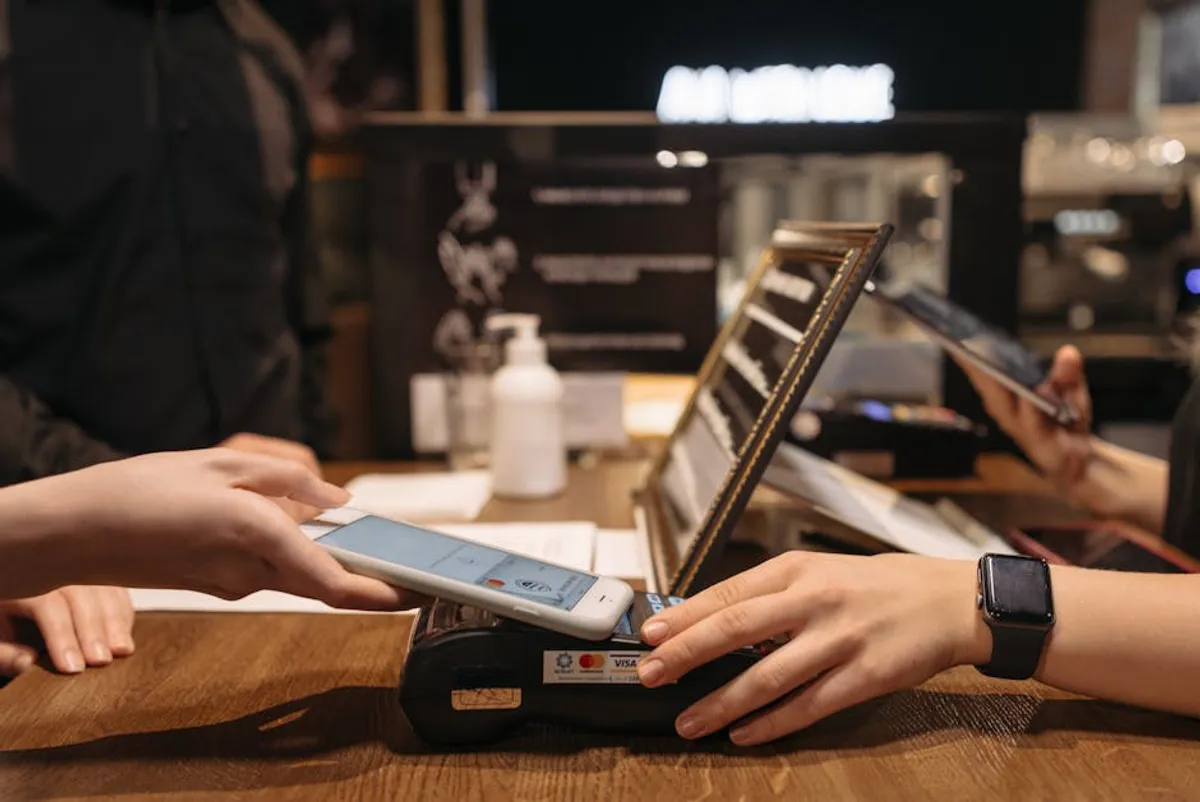
The global shift towards contactless payments has accelerated due to convenience, speed, and hygiene considerations. Consumer adoption of tap-to-pay methods has surged, especially following recent public health events that emphasized minimizing physical contact during transactions.
Consumer Expectations and Adoption Drivers
Consumers increasingly expect the option to pay with their mobile devices or contactless cards. The primary drivers for this adoption include:
- Speed: Contactless transactions are typically faster than chip-and-PIN methods.
- Convenience: Eliminates the need to carry physical cards or cash.
- Security: Tokenization, where a unique, encrypted code replaces actual card details, enhances transaction security compared to traditional swipe or chip methods.
- Hygiene: Reduces physical contact with POS terminals.
This growing expectation creates a potential friction point for retailers who do not offer widely accepted NFC payment options, as customers may perceive the checkout process as less efficient or modern.
Competitor Landscape and Payment Innovation
Most major retailers, including Target, Kroger, and Walgreens, have embraced NFC payments, accepting Apple Pay, Google Pay, and other mobile wallets. This widespread adoption sets a market standard that influences consumer perceptions of payment options at various retail outlets. Payment innovation continues with biometric authentication, real-time payment rails, and integrated loyalty programs, all of which benefit from a frictionless, digital-first payment infrastructure.
Risks and Opportunities for Walmart
Walmart's payment strategy presents both specific risks and strategic opportunities in the evolving retail landscape.
Risks of Limited NFC Adoption
The primary risks for Walmart in maintaining a limited NFC acceptance policy for third-party wallets include:
- Customer Friction and Dissatisfaction: Shoppers accustomed to tapping their phone or card elsewhere may experience frustration when this option is unavailable at Walmart, potentially impacting their overall shopping experience and store loyalty.
- Perception of Technological Lag: A lack of broad NFC support can position Walmart as less technologically advanced compared to competitors who offer more diverse payment options.
- Lost Sales and Basket Abandonment: In rare cases, a customer unable or unwilling to use Walmart Pay or a physical card might abandon a purchase. While not a widespread issue, it represents a potential point of friction.
- Missed Data Insights: While Walmart Pay provides valuable data, a segment of customers may prefer to use other payment methods entirely, limiting Walmart's ability to capture comprehensive transaction data across all customer segments if they choose to shop elsewhere.
Pro Tip for Retailers: Evaluate the total cost of payment friction. While proprietary payment systems offer data control and potential fee savings, the cumulative impact of customer dissatisfaction, perceived inconvenience, and lost sales due to limited payment options can outweigh these benefits. A balanced approach often yields better long-term customer retention and market share.
Opportunities of Broader NFC Adoption
Conversely, a strategic shift towards broader NFC acceptance could unlock several opportunities for Walmart:
- Enhanced Customer Experience: Aligning with widespread consumer payment preferences would improve convenience and reduce checkout friction for a significant portion of its customer base.
- Leveraging Existing Infrastructure: Since many Walmart POS terminals already possess NFC hardware, enabling the functionality for third-party wallets would primarily involve software updates, minimizing new capital expenditure.
- Security Benefits: NFC payments, particularly those utilizing tokenization through mobile wallets, offer enhanced security features that protect both the customer and the retailer from fraud.
- Modern Brand Image: Adopting widely accepted payment technologies can reinforce Walmart's image as a forward-thinking retailer committed to customer convenience.
Key Things to Watch
Several factors will indicate potential shifts in Walmart's payment strategy or the broader market's influence on it.
Technology Infrastructure Upgrades
Monitor reports or announcements regarding Walmart's POS system upgrades. Any widespread enablement of NFC readers for third-party mobile wallets would signal a significant policy change. Conversely, continued investment solely in Walmart Pay's QR code infrastructure would reinforce their current strategy.
Partnership Announcements
Watch for any collaborations between Walmart and major payment networks or technology providers specifically aimed at expanding contactless payment options beyond Walmart Pay. Such partnerships could signal a strategic pivot towards broader interoperability.
Shifting Consumer Demographics and Preferences
As younger, digitally native generations gain purchasing power, their expectations for seamless, mobile-first payment experiences will intensify. Walmart's long-term strategy will need to account for these evolving demographic preferences to remain competitive and relevant.
Navigating the Contactless Payment Landscape
For retailers and payment solution providers, Walmart's payment strategy serves as a critical case study in balancing proprietary control with evolving consumer expectations. The decision to embrace or limit specific payment technologies impacts customer loyalty, operational costs, and brand perception. Businesses should continuously monitor market trends, competitor actions, and consumer feedback to adapt their payment offerings strategically. The long-term success in retail payments hinges on delivering a secure, efficient, and convenient experience that aligns with the majority of the customer base, rather than solely optimizing for internal cost structures or data capture.
Frequently Asked Questions
Does Walmart accept Apple Pay or Google Pay?
Generally, Walmart does not directly accept Apple Pay or Google Pay via NFC at its checkout terminals. While some terminals have NFC hardware, it is typically disabled for third-party mobile wallets. Walmart encourages customers to use its proprietary Walmart Pay QR code system instead.
Why doesn't Walmart accept tap-to-pay from all mobile wallets?
Walmart's strategy is to promote its own Walmart Pay system, which allows the company to maintain greater control over transaction data, potentially reduce processing fees, and integrate payments directly with its loyalty programs and shopping app experience.
Can I use a contactless credit card at Walmart?
No, similar to third-party mobile wallets, Walmart's POS systems typically do not enable contactless functionality for physical credit or debit cards. Customers are generally required to insert their chip cards or swipe their cards for payment.