Selecting appropriate electrical personal protective equipment (PPE) is not merely a compliance checkbox; it is a critical investment in worker safety and operational continuity. Electrical hazards, ranging from arc flashes to shocks, demand a systematic approach to protection. This guide covers the essential categories of electrical PPE, delves into the technical specifications that differentiate effective gear, and provides practical advice for procurement, ensuring your team is equipped not just with gear, but with genuine safety. Understanding these elements is fundamental to mitigating risks in any electrical work environment.
Understanding Electrical PPE Categories
Electrical PPE encompasses a range of specialized gear designed to protect against specific hazards. Each category addresses a different part of the body and type of exposure. Electrical PPE includes specialized gear like protection for hands to safeguard against specific hazards.
Head Protection
Hard hats are fundamental for protecting against falling objects and impact. For electrical work, hard hats must be non-conductive, typically designated as Class E (Electrical) by ANSI Z89.1 standards. These hats are tested to withstand up to 20,000 volts, providing dielectric protection from electrical conductors. Their primary function is to prevent electrical current from passing through the head, which is crucial in environments where overhead electrical lines or equipment are present.
Eye and Face Protection
Protection for the eyes and face is paramount due to the high-energy release associated with arc flashes, which can cause severe burns, blindness, and shrapnel injuries. Face shields and safety glasses must meet ANSI Z87.1 standards. For arc flash protection, face shields require specific arc ratings (cal/cm²) to withstand the thermal energy, often used in conjunction with balaclavas for full head and neck coverage. The tint and material of the shield are designed to filter harmful UV and IR radiation emitted during an arc event.
Hand Protection
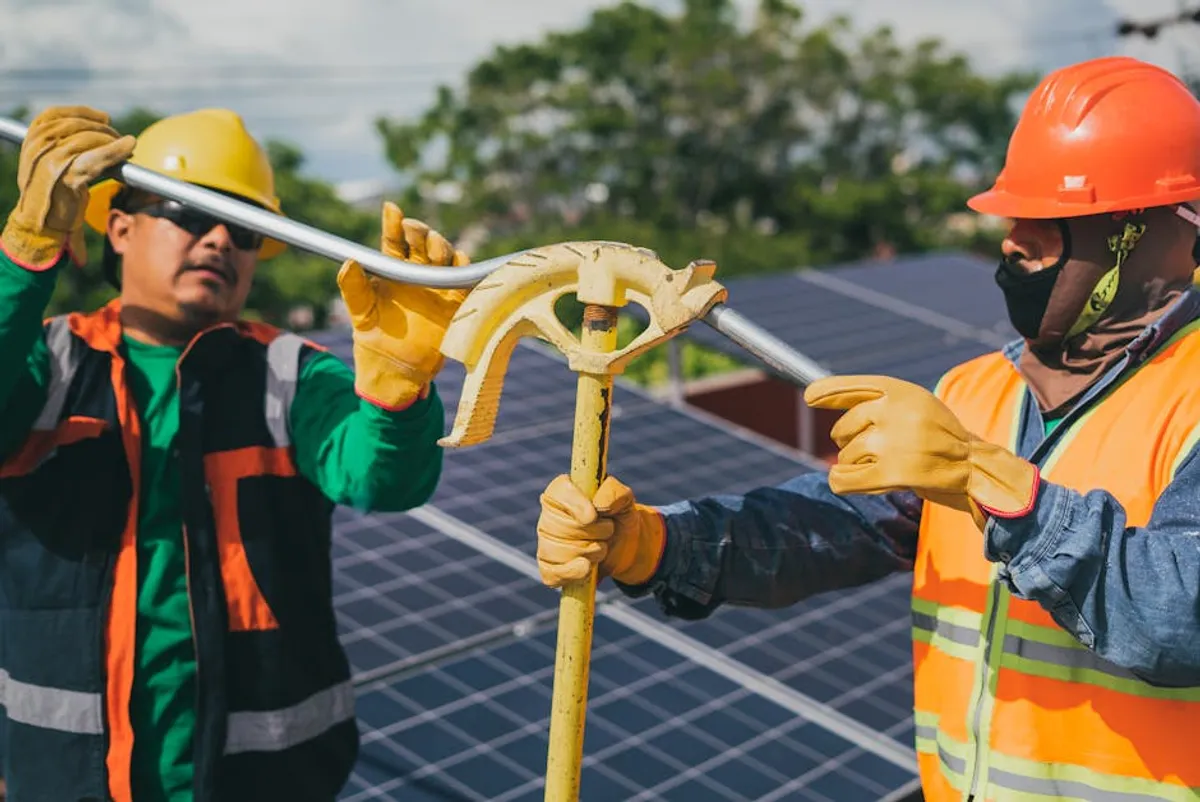
Insulating rubber gloves are the primary hand protection against electrical shock. These gloves are categorized by their voltage rating (e.g., Class 00, 0, 1, 2, 3, 4), indicating the maximum voltage they can safely withstand. They are always worn with leather protector gloves over them to prevent physical damage to the rubber, which could compromise their insulating properties. Proper sizing ensures dexterity and comfort, critical for intricate electrical tasks. Regular inspection for punctures, tears, or swelling is non-negotiable for maintaining their integrity.
Body Protection: Flame-Resistant and Arc-Rated Clothing
Standard work clothing offers no protection against arc flash hazards; specialized flame-resistant (FR) and arc-rated (AR) garments are essential. FR clothing is designed to self-extinguish when exposed to flame, preventing continuous burning. AR clothing goes further, tested to withstand specific incident energy levels (measured in calories per square centimeter, cal/cm²). The selection of AR clothing depends directly on the calculated arc flash hazard of the task, with higher cal/cm² ratings providing greater protection. Layering AR garments can increase the overall protective value, but only if all layers are arc-rated.
Foot Protection
Electrical hazard (EH) rated footwear provides a secondary source of protection against electrical shock. These boots are constructed with non-conductive, electrical-shock-resistant soles and heels, designed to reduce the flow of electricity through the body to the ground. They are not insulating and should not be considered primary protection against direct contact with energized circuits, but rather a safeguard against accidental ground contact. EH-rated footwear must meet ASTM F2413 standards for electrical hazard protection.
Key Standards and Ratings for Electrical PPE
Understanding the specific standards and ratings is crucial for selecting compliant and effective electrical PPE. These metrics quantify the protective capabilities of the equipment.
Arc Flash Ratings (ATPV, Ebt)
Arc flash ratings are a critical specification for clothing and face protection. The Arc Thermal Performance Value (ATPV) and Energy Breakopen Threshold (Ebt) are expressed in calories per square centimeter (cal/cm²). ATPV indicates the maximum incident energy a fabric can withstand before a 50% probability of a second-degree burn occurs. Ebt represents the maximum incident energy a fabric can withstand before it breaks open, exposing the skin. Both values are determined through standardized testing (e.g., ASTM F1959) and are essential for matching PPE to the calculated arc flash hazard of a task.
Insulating Properties (Voltage Classes)
For insulating gloves and blankets, voltage classes specify the maximum working voltage the equipment can safely handle. These classes range from Class 00 (500V AC) to Class 4 (36,000V AC). Each class corresponds to specific testing voltages and safety margins. Adhering strictly to these classes ensures that the insulating properties are sufficient for the energized equipment being worked on, preventing electrical current from passing through the material.
Other Relevant Standards
Beyond arc flash and voltage ratings, various other standards govern electrical PPE. ANSI Z89.1 applies to industrial head protection, specifying requirements for impact, penetration, and electrical insulation. ANSI Z87.1 covers eye and face protection, detailing impact resistance and optical clarity. ASTM F2413 sets performance requirements for protective footwear, including electrical hazard resistance. Compliance with these standards indicates that the PPE has undergone rigorous testing and meets established safety benchmarks.
Selecting the Right Electrical PPE: Practical Considerations
Effective PPE selection extends beyond meeting minimum requirements; it involves a detailed assessment of the work environment and user needs.
Assessing the Hazard
The first step in selecting electrical PPE is a thorough hazard assessment, typically an arc flash study and shock hazard analysis. This determines the incident energy levels, shock potential, and approach boundaries for specific tasks. The PPE's protective capabilities must exceed the identified hazards. For example, if an arc flash study indicates an 8 cal/cm² hazard, all AR clothing and face protection must have an ATPV or Ebt rating of at least 8 cal/cm².
Pro Tip: Never rely on generic hazard assessments. Each electrical task and associated equipment should have a specific, documented hazard analysis. Outdated or generalized assessments can lead to under-protection, increasing the risk of severe injury. Re-evaluate hazards periodically and after any significant equipment modifications.
Fit and Comfort
Ill-fitting PPE can compromise protection and reduce worker compliance. Gloves that are too tight restrict dexterity, while those that are too loose can snag. AR clothing that is too bulky can impede movement, leading to fatigue or errors. Proper fit ensures that the PPE stays in place, provides full coverage, and allows for the necessary range of motion to perform tasks safely and efficiently. Comfort also plays a significant role in encouraging consistent use.
Durability and Maintenance
The lifespan and effectiveness of electrical PPE depend heavily on its durability and proper maintenance. Regular inspection for wear, tear, and damage is crucial. Insulating gloves, for instance, require dielectric testing at specified intervals. AR clothing should be laundered according to manufacturer guidelines to maintain its protective properties. Establishing a robust inspection, cleaning, and storage protocol extends the life of PPE and ensures it remains effective when needed.
Procurement Best Practices
Strategic procurement ensures that the electrical PPE acquired is not only compliant but also provides long-term value and protection.
Supplier Vetting
Choosing reputable suppliers is paramount. Verify that suppliers can provide documentation of compliance with relevant safety standards (e.g., ANSI, ASTM, NFPA). Look for suppliers with a track record of quality, consistent product availability, and responsive customer support. Direct relationships with manufacturers or authorized distributors often ensure authenticity and access to the latest product information.
Documentation and Certification
Demand complete documentation for all purchased electrical PPE. This includes certificates of conformity, test reports for arc ratings or voltage classes, and clear instructions for use, care, and maintenance. Maintaining these records is essential for demonstrating compliance during audits and for informing maintenance schedules. For insulating gloves, individual test reports with serial numbers are critical.
Training and Compliance
The best PPE is ineffective without proper training. Workers must be thoroughly trained on:
- The specific hazards they face.
- The correct selection and use of their PPE.
- Inspection procedures before each use.
- Proper donning and doffing techniques.
- Maintenance, cleaning, and storage protocols.
Regular refresher training and competency assessments reinforce safe practices and ensure ongoing compliance with safety regulations.
Ensuring Ongoing Electrical Safety
Effective electrical PPE is a cornerstone of a comprehensive safety program, but it is not a standalone solution. Continuous hazard assessment, rigorous adherence to safety protocols, and a culture of proactive safety are equally vital. Invest in high-quality, compliant PPE, but equally prioritize thorough training, regular inspections, and consistent enforcement of safety procedures. This integrated approach minimizes risk, protects personnel, and sustains operational integrity in electrically hazardous environments.
Frequently Asked Questions
What is the primary purpose of electrical PPE?
The primary purpose of electrical PPE is to protect workers from specific electrical hazards, including electric shock, arc flash, and arc blast, by providing insulation, resisting heat, and preventing injury from projectiles.
How often should electrical PPE be inspected?
Electrical PPE, particularly insulating gloves, should be visually inspected before each use. More rigorous inspections and dielectric testing for insulating rubber goods are typically required every six months, or as specified by manufacturer guidelines and regulatory standards.
What is the difference between arc-rated and flame-resistant clothing?
Flame-resistant (FR) clothing is designed to prevent ignition and self-extinguish if exposed to flame. Arc-rated (AR) clothing is a type of FR clothing specifically tested to withstand and protect against the thermal energy of an arc flash, with its protective capability measured in calories per square centimeter (cal/cm²).
Can I use regular work gloves for electrical tasks?
No, regular work gloves do not provide protection against electrical shock or arc flash. Only electrically insulating rubber gloves, worn with leather protectors, or arc-rated gloves specifically designed for electrical work, should be used for tasks involving electrical hazards.