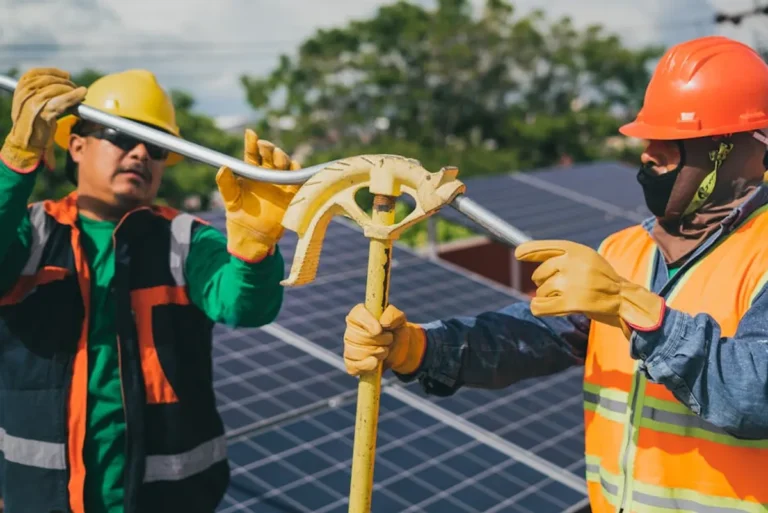
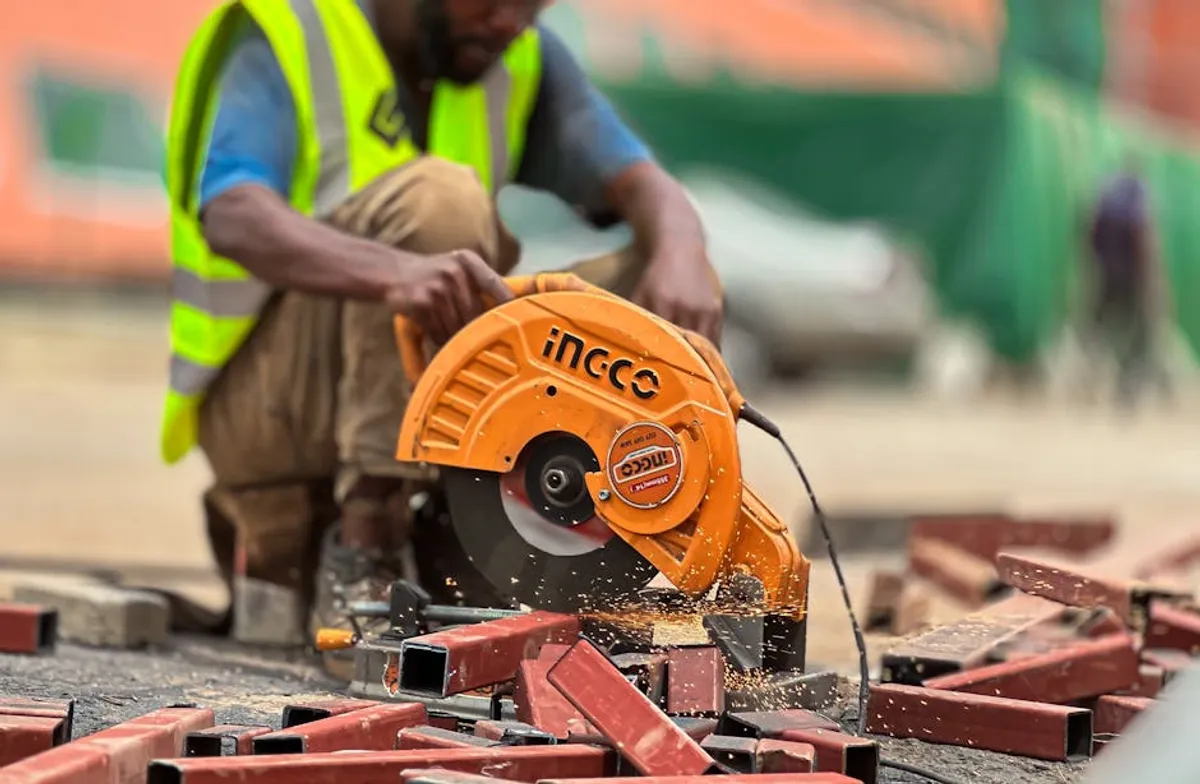
Selecting appropriate mechanical personal protective equipment (PPE) is a critical decision for any operation involving physical hazards. The primary objective is to mitigate risks of injury from impacts, cuts, abrasions, punctures, extreme temperatures, and other mechanical forces. Effective PPE not only safeguards personnel but also contributes to operational continuity by reducing downtime associated with injuries and ensuring regulatory compliance. The challenge lies in navigating the extensive range of available options, understanding specific performance criteria, and matching those accurately to the unique hazards present in a given work environment.
Understanding Mechanical PPE Categories
Mechanical PPE encompasses a broad spectrum of protective gear designed to shield workers from physical hazards. These items are categorized by the body part they protect and the specific types of mechanical stress they are engineered to resist. Proper selection requires a detailed assessment of potential risks, including the force of impact, sharpness of objects, abrasion potential, and temperature extremes.
Hand Protection: Gloves and Sleeves
Hand protection is one of the most frequently used categories of mechanical PPE, given the high incidence of hand injuries in many industries. Gloves are specified by material composition, construction, and performance ratings against specific hazards. When selecting gloves, understanding the specifics of hand protection equipment is key to ensuring adequate safety for your workforce.
- Cut-Resistant Gloves: Often made with high-performance materials like HPPE (High Performance Polyethylene), aramid fibers, or steel mesh. Rated using standards like ANSI/ISEA 105 (levels A1-A9) or EN 388 (levels A-F) for cut resistance. Selection depends on the sharpness and force of potential cutting hazards.
- Impact-Resistant Gloves: Feature thermoplastic rubber (TPR) or similar materials on the back of the hand and fingers to absorb impact energy. Essential in applications where crushing or pinching injuries are a risk.
- Abrasion-Resistant Gloves: Constructed from durable materials such as leather, synthetic leather, or coated fabrics. Measured by cycles to breakthrough under standards like EN 388, indicating their ability to withstand rubbing and scraping.
- Puncture-Resistant Gloves: Incorporate specialized liners or materials to prevent penetration from sharp objects. Rated by force required to puncture, crucial for handling needles, wires, or sharp debris.
- Thermal Gloves: Designed to protect against contact heat or cold, often with insulated layers or heat-resistant coatings. Performance is rated by contact heat, convective heat, and radiant heat resistance.
Sleeves provide protection for forearms and arms against cuts, abrasions, and heat, often used in conjunction with gloves for extended coverage.
Eye and Face Protection: Goggles, Safety Glasses, and Face Shields
Protection for the eyes and face is paramount against flying debris, splashes, and impacts. Standards like ANSI/ISEA Z87.1 specify requirements for impact resistance, optical clarity, and coverage.
- Safety Glasses: Provide primary protection against moderate impact. Available with various lens coatings (anti-scratch, anti-fog) and tints for different light conditions. Must meet high-impact requirements.
- Goggles: Offer a more secure fit and seal around the eyes, providing enhanced protection against dust, splashes, and higher-impact hazards. Ventilated options are available to reduce fogging.
- Face Shields: Provide full-face protection from impacts, splashes, and radiant heat. Typically worn over safety glasses or goggles for comprehensive coverage. Material choices include polycarbonate for impact resistance and specialized tints for welding or furnace work.
Head Protection: Hard Hats and Bump Caps
Head protection guards against falling objects, impacts, and electrical hazards.
- Hard Hats: Comply with standards like ANSI/ISEA Z89.1.
- Type I: Protect against top impacts.
- Type II: Protect against top and lateral impacts.
- Class G (General): Up to 2,200 volts electrical protection.
- Class E (Electrical): Up to 20,000 volts electrical protection.
- Class C (Conductive): No electrical protection.
Suspension systems are crucial for impact absorption and must be regularly inspected.
- Bump Caps: Offer light protection against minor bumps and scrapes, not designed for falling objects or significant impacts. Suitable for areas with low overhead clearance.
Foot Protection: Safety Boots and Shoes
Footwear protects against impacts, compression, punctures, and electrical hazards. ASTM F2413 is a common standard, specifying requirements for protective toe caps, metatarsal protection, and electrical hazard resistance.
- Protective Toe Caps: Steel, composite, or aluminum toe caps protect against impact and compression. Composite is lighter and non-conductive.
- Puncture-Resistant Soles: Incorporate a protective plate (steel or composite) in the sole to prevent penetration from sharp objects.
- Metatarsal Protection: External or internal guards protect the top of the foot from heavy falling objects.
- Electrical Hazard (EH) Rated: Designed to reduce the risk of electric shock from contact with live electrical circuits.
- Static Dissipative (SD) and Conductive (CD): Specific ratings for controlling static electricity, crucial in environments with flammable materials or sensitive electronics.
Pro Tip: Always prioritize PPE that is certified to the latest relevant industry standards (e.g., ANSI/ISEA, ASTM, EN). These certifications ensure the equipment has undergone rigorous testing and meets minimum performance requirements for specific hazards. Relying on uncertified or outdated gear can lead to a false sense of security and increased risk.
Buying Considerations: Selecting the Right Mechanical PPE
Effective procurement of mechanical PPE extends beyond simply matching a product to a hazard. It involves a comprehensive approach that considers usability, compliance, and long-term value.
Risk Assessment and Hazard Matching
The selection process must begin with a thorough risk assessment of the work environment. Identify all potential mechanical hazards—cuts, punctures, impacts, abrasions, crushing, extreme temperatures—and their severity. This dictates the specific performance characteristics required of the PPE. For example, a task involving handling sharp sheet metal requires high cut-resistance gloves, while a construction site demands impact-resistant hard hats and safety footwear.
Fit, Comfort, and Dexterity
PPE is only effective if worn consistently and correctly. Ill-fitting or uncomfortable PPE can lead to non-compliance, reduced productivity, and even new hazards. Ensure that options are available in a range of sizes and that employees can try them on. For gloves, dexterity is crucial; workers must be able to perform tasks without undue hindrance. Poor fit can also compromise the protective integrity of the equipment, such as a loose hard hat or goggles that slip.
Durability, Maintenance, and Lifespan
Evaluate the durability of PPE materials and construction, especially for items subject to frequent wear and tear. Consider the ease of cleaning and maintenance, as proper care extends lifespan and maintains protective qualities. Understand the recommended lifespan or replacement schedule for each item, particularly for components that degrade over time, such as hard hat suspensions or respirator cartridges. Investing in higher-quality, more durable PPE can often result in lower long-term costs due to reduced replacement frequency.
Compliance and Certifications
Verify that all mechanical PPE meets local, national, and industry-specific regulatory requirements and consensus standards. Look for clear markings and documentation of compliance (e.g., ANSI/ISEA, ASTM, EN). These certifications are not just legal requirements; they are assurances that the equipment has been tested and proven to perform as intended under specific conditions. Maintain records of PPE purchases and certifications for audit purposes.
Supplier Reliability and Support
Choose suppliers who can consistently provide certified, quality products and offer good customer support. Reliable suppliers can assist with product selection, provide technical data sheets, and ensure timely delivery. They should also be able to provide training resources or guidance on proper use and maintenance, further enhancing the effectiveness of the PPE program.
Practical Application: Implementing Mechanical PPE Effectively
Beyond procurement, the successful integration of mechanical PPE into daily operations requires ongoing management. This includes regular training for all personnel on the correct use, care, and limitations of their assigned PPE. Establish clear protocols for inspection, cleaning, repair, and replacement. Conduct periodic reviews of the PPE program, incorporating feedback from workers and updating selections based on new hazard assessments or changes in work processes. A proactive approach ensures that PPE remains a dynamic and effective barrier against mechanical hazards, fostering a safer work environment.
Frequently Asked Questions About Mechanical PPE
What is the most common type of mechanical PPE?
Hand protection, primarily in the form of gloves, is the most commonly used category of mechanical PPE due to the high frequency of hand-intensive tasks and the diverse range of hand-related injuries in industrial and construction settings.
How often should mechanical PPE be inspected?
Mechanical PPE should be inspected before each use. More thorough periodic inspections (e.g., weekly, monthly) should also be conducted based on the type of equipment, manufacturer's recommendations, and the severity of the work environment. Any damaged or compromised PPE must be immediately removed from service and replaced.
Can one type of PPE protect against multiple mechanical hazards?
While some PPE items offer multi-hazard protection (e.g., cut and impact-resistant gloves, safety boots with toe and puncture protection), it is crucial to verify that the specific product is rated for all relevant hazards. Relying on a single item for broad, unverified protection can be dangerous. A thorough hazard assessment dictates the required combination of protective features.
What is the difference between Type I and Type II hard hats?
Type I hard hats are designed to protect against impacts to the top of the head. Type II hard hats offer protection against both top and lateral (side) impacts, providing a broader range of protection from various angles of potential impact.